Journal

The Flâneur: Musée Bourdelle, Paris

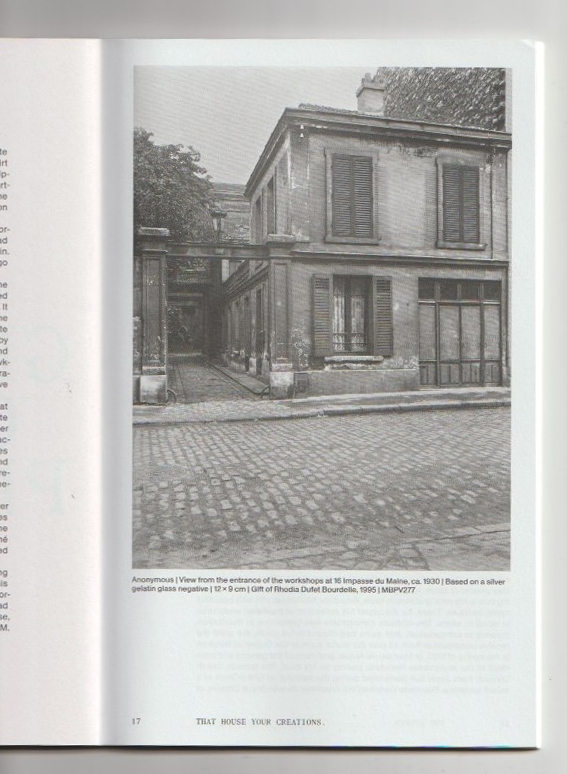
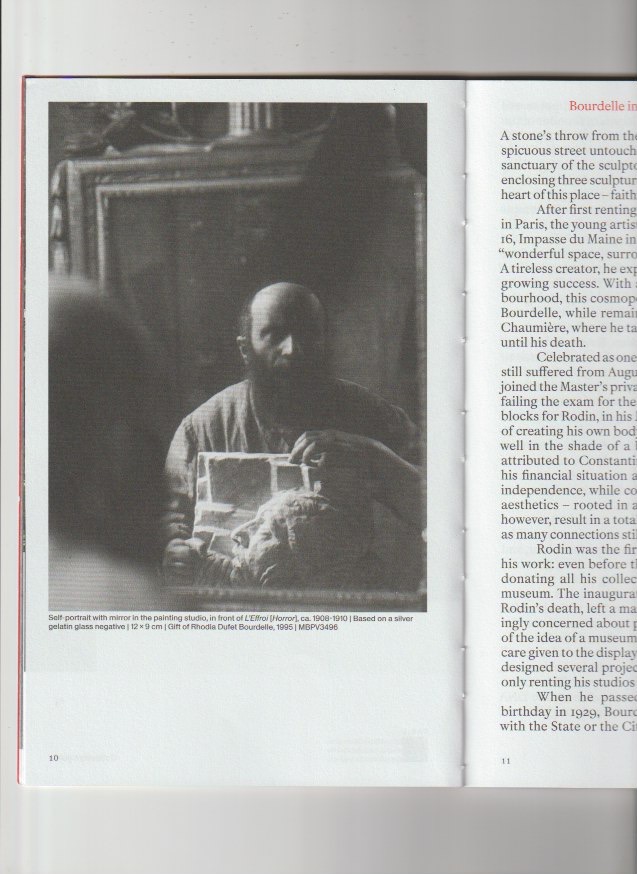
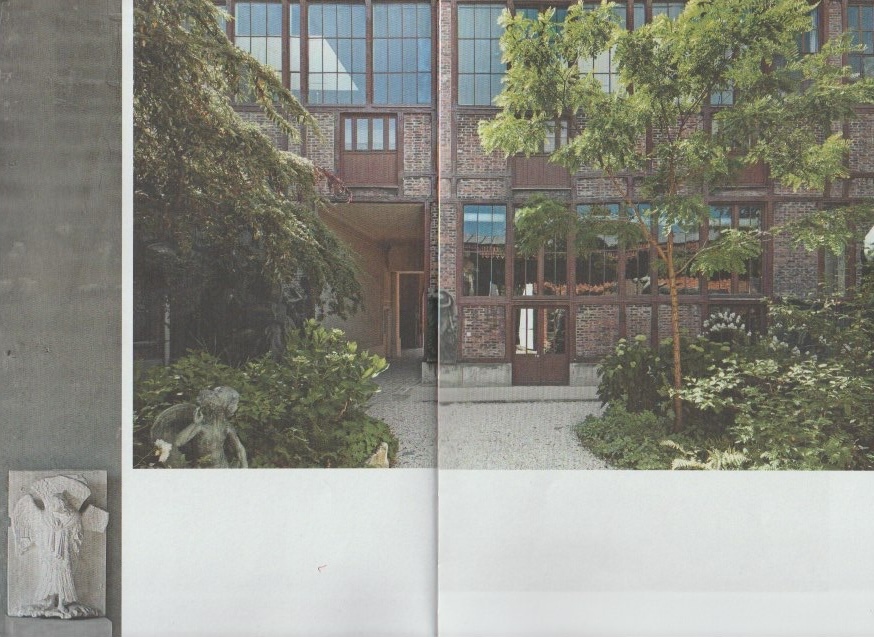
In January 1885, Antoine Bourdelle (1861–1929) came across a studio at 16 impasse du Maine in Montparnasse, let by the carpenter Pierre Auguste Paillard. For 500 francs a year, Bourdelle declared the place a “bargain”, marvelling at the quiet of the house, at windows that rose half the height of the walls, and at space enough to realise the sculptures with which his mind was already teeming. He wrote home to Montauban of a garden some six by seven metres, of trees, rose bushes and carnations, of waking to the squawk of sparrows; “I have found my shack”. Bourdelle remained a tenant of these rooms for forty-four years, and they became not only his home and artistic sanctuary but a place of teaching and, later, of exhibition. The passage now carries his name.
The Flâneur: Musée Bourdelle, Paris

01.

The Studio

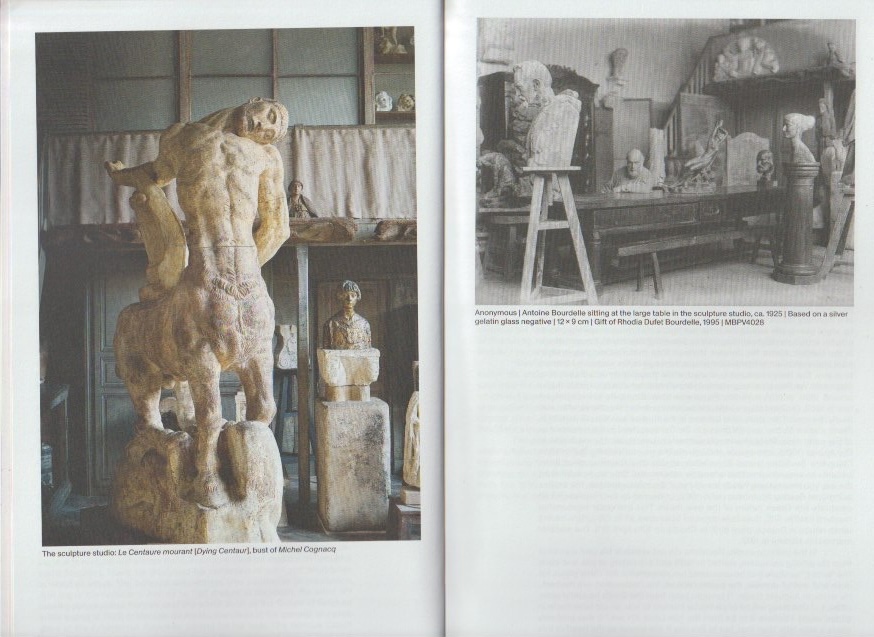
The sculpture studio is a timber structure built in 1878, a rare survivor of the cités d’artistes of late nineteenth-century Montparnasse. The impasse was then a muddy passage of sculptors’ workshops: Jules Dalou at number 18, Jean Turcan at number 11 and chickens pecking between the cobblestones. By 1922, Bourdelle’s monumental production had spread across ten workshops, courtyards, vestibules and cellars. Almost a century later, the timber frame began to give way, prompting a two-year renovation under ABN Architectes, completed in March 2023. Bourdelle’s mark on the property has been carefully conserved, with the nails and graffiti left in place on the walls, and his furniture and works returned to the positions they held at his death.

The Flâneur: Musée Bourdelle, Paris

02.

The Work

Bourdelle spent fifteen years in the shadow of Auguste Rodin. Hired as his practitioner in 1893, he carved the master’s marbles at the impasse until 1908. His own recognition came slowly. A first solo exhibition was held in 1905 at the gallery of the bronze founder Adrien Hébrard, but it was not until 1910, when Bourdelle showed Hercules the Archer in bronze, that acclaim finally came. He was nearly fifty.

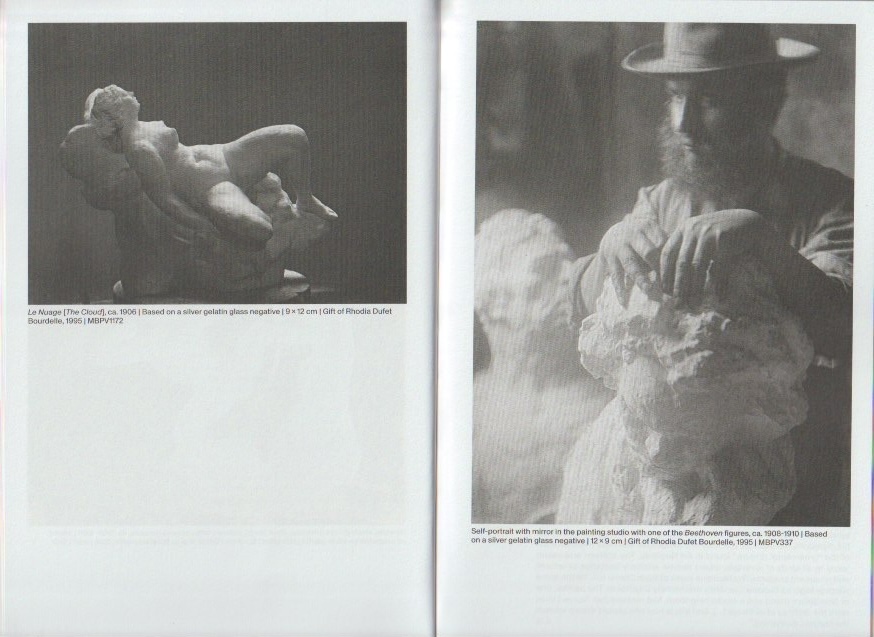
Commissions followed: for the Théâtre des Champs-Élysées, Bourdelle spent three years creating bas-reliefs for the façade, posed for by the dancer Isadora Duncan, and frescoes for the interior. He also worked closely from the life mask of the composer Beethoven, creating some eighty sculptures in his image over four decades. From 1909 until his death, Bourdelle taught at the Académie de la Grande Chaumière, a few streets from the impasse, reportedly urging his students towards a voice of their own rather than imitation. His last monument, to the poet Mickiewicz, rose on the Place de l’Alma in 1929.

The Flâneur: Musée Bourdelle, Paris

03.

Cléopâtre

The museum exists because of Cléopâtre Sevastos, the Greek sculptor who arrived at the impasse as a student but became a practitioner, model and Bourdelle’s wife. At Bourdelle’s death, Cléopâtre laid his body in state in the studio, and the Dying Centaur was carried back to stand with its head bowed over the coffin.

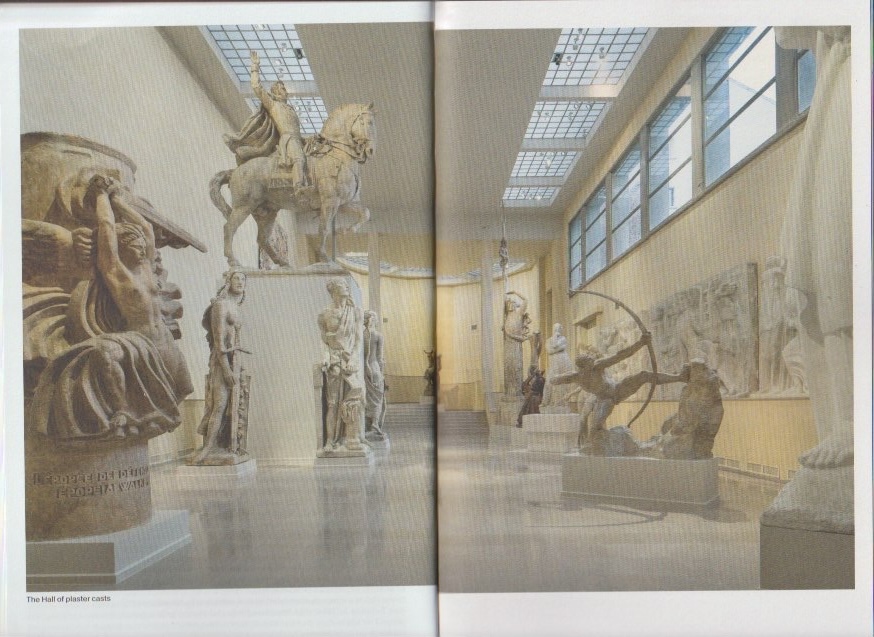
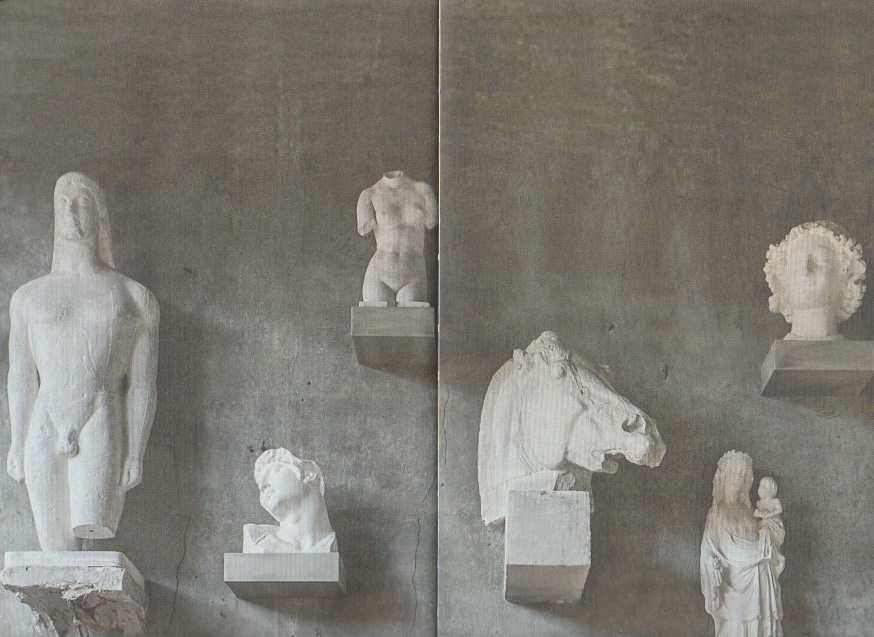
She opened the workshops to the public in 1938. She bought number 16 with the help of Gabriel Cognacq of La Samaritaine, and worked tirelessly with the City of Paris, who owned number 18; her donation of the building and its plaster casts was finally enacted by the municipal council in 1947, and the Antoine Bourdelle Workshops opened on 4 July 1949. Henri Gautruche, with Cléopâtre as his guide, clad the 1961 Great Hall of Plaster Casts in brick and semi-circular arches in tribute to the main square of Montauban.

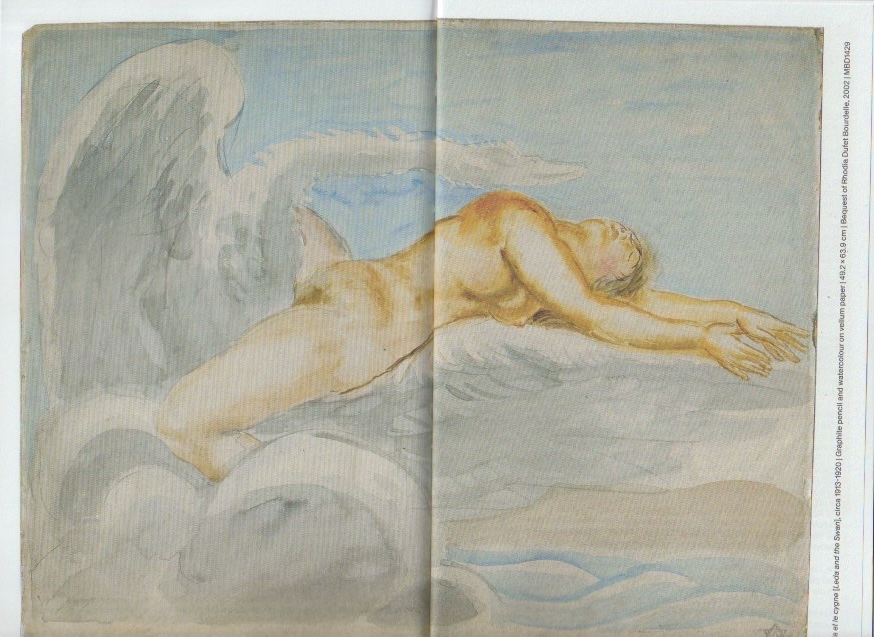
The hall was arranged by Michel Dufet, the Art Deco architect-designer who married Bourdelle’s daughter Rhodia. Rhodia made successive gifts of the family collection and her photographic archive during her lifetime, and bequeathed everything else to the City of Paris upon her death in 2002.

The Flâneur: Musée Bourdelle, Paris

04.

The Table

Rhodia and Dufet lived as curators on the first floor of the oldest building, in an apartment Dufet furnished in 1947. The main room, tall windows opening over the hidden interior garden, is now the café-restaurant, Le Rhodia. Lunch is taken where the couple once housed their collection. Below, three sculpture gardens thread the buildings together. The four allegories of the Monument to General Alvear stand guard along the street garden, the Great Warrior holds the fence line among lilac, wisteria and clematis, and the pagan Eve of Fruit reveals her gift of apples between the rosebushes and the spiraea hedge. In the inner cloister, Sappho sits deep in thought, and Young Love, a winged Eros, wears the features of Rhodia as a child.

The Flâneur: Musée Bourdelle, Paris